Skip to content
THE CEYLON EDITIONBespoke journeys through Sri Lanka.
Galle, Sri Lanka
All destinations

Southern

Galle

A living fortified city where centuries of Indian Ocean history unfold through coral-stone ramparts, courtyards and sea light.

Plan Your Journey

A closer look

Why visit Galle?

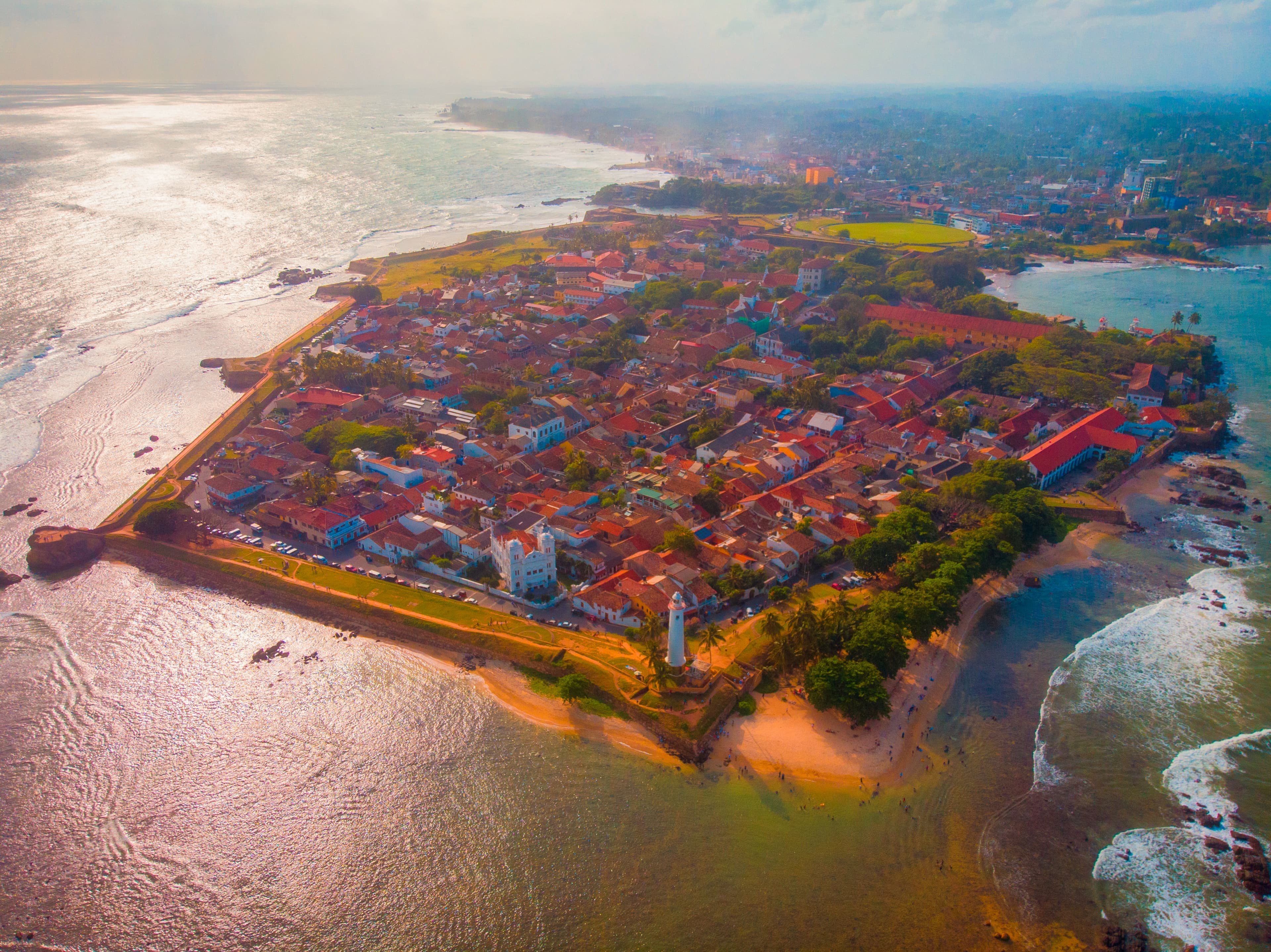
Galle Fort is at its best before the day becomes busy or as evening gathers along the ramparts. Inside the walls, homes, mosques, churches, museums, cafés and hotels occupy an urban fabric shaped by several colonial periods and generations of local life. Beyond the postcard view, Galle is compelling because it remains inhabited and evolving. Allowing time for smaller details changes the experience: carved doorways, shaded verandas, call to prayer, schoolchildren and residents tending old homes. The fort is not a museum set. Its enduring value comes from the relationship between monumental defences and ordinary life within them.

Coastal EditionHeritage EditionCultural EditionAdventure EditionNature EditionSporting Edition
AhungallaAnuradhapuraArugam BayBelihul OyaBentotaColomboDambullaEllaGalleHikkaduwaJaffnaKalpitiyaKalutaraKandyKataragamaKitulgalaMinneriyaMirissaNuwara EliyaPasikudahPolonnaruwaSigiriyaTangalleTrincomaleeUdawalaweWeligamaWilpattuYalaHambantota
Galle is highlighted

Why visit

Visit for Sri Lanka’s most atmospheric historic townscape, combining architecture, food, craft and an unforgettable walk above the sea.

Historical importance

The fortified town developed through Portuguese, Dutch and British periods on a site long connected to Indian Ocean trade. Its street plan, bastions and civic buildings preserve that layered history.

Cultural significance

Galle Fort is a multicultural living quarter, with Buddhist, Muslim and Christian heritage embedded in its buildings, food and community life.

UNESCO information

UNESCO World Heritage

The Old Town of Galle and its Fortifications was inscribed on the UNESCO World Heritage List in 1988. UNESCO recognises the fortified city as an outstanding example of European architecture adapted through South Asian traditions and conditions.

Nature & wildlife

The ramparts meet an exposed marine environment, while nearby beaches, lagoons and lowland wetlands add coastal biodiversity to a cultural stay.

Best time to visit

December to April usually brings the driest southwest-coast weather. The fort remains rewarding year-round, especially early morning and around sunset.

Weather in Galle

27°Fair
83% humidity18 km/h wind

Seven-day outlook

Fri27° 27°
Today30° 25°
Tomorrow30° 26°
Mon30° 25°
Tue28° 24°
Wed28° 25°
Thu29° 25°

Seasonal outlook

Warm, humid and coastal, usually 26–31°C. Sea breezes help, but showers can be sudden and the southwest monsoon brings wetter conditions from May to September.

Model forecast · MET Norway · Updated every 30 minutes

Destination insights

Discover more about Galle

Local character, places worth a detour and thoughtful details for a more rewarding stay.

The character of Galle

Local highlights

  1. A golden-hour walk along bastions overlooking the Indian Ocean

  2. Dutch-era streets, hidden courtyards and carefully interpreted historic buildings

  3. The lighthouse, Point Utrecht and the fort’s powerful maritime silhouette

  4. Southern food, local craft and contemporary design within restored spaces

  5. Early-morning encounters with everyday life inside the inhabited fort

Travel well

Before you go

  • Explore early and late when the streets are cooler and quieter.

  • Respect homes, schools and places of worship inside the living fort.

  • Keep back from unguarded rampart edges in wind or rain.

  • Use an accredited guide to uncover the city beyond its façades.

Accommodation

Places to stay

No published accommodation is available here yet.

Make it yours

Place Galle on your route.

Plan Your Journey